An ancient hill grain
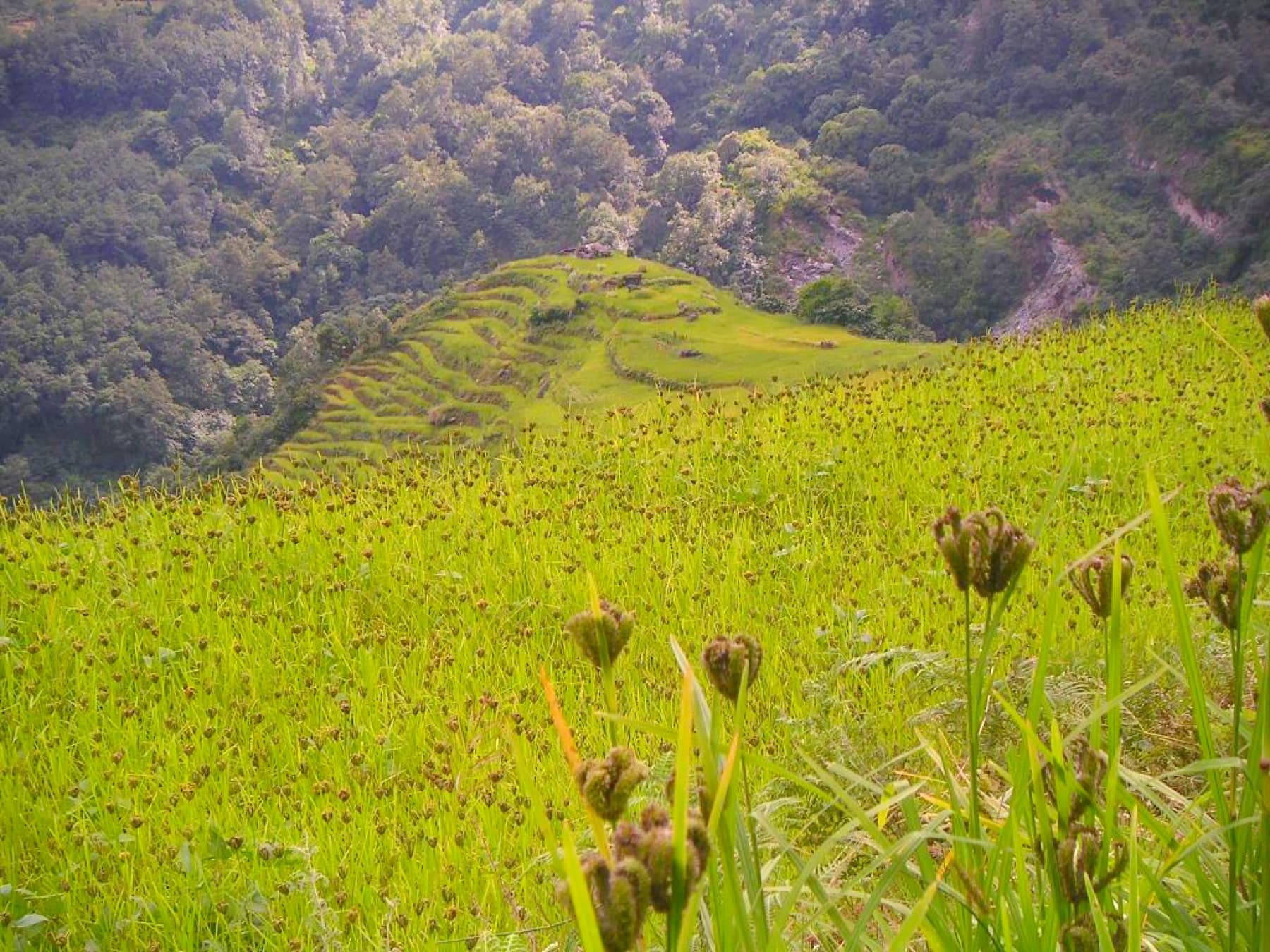
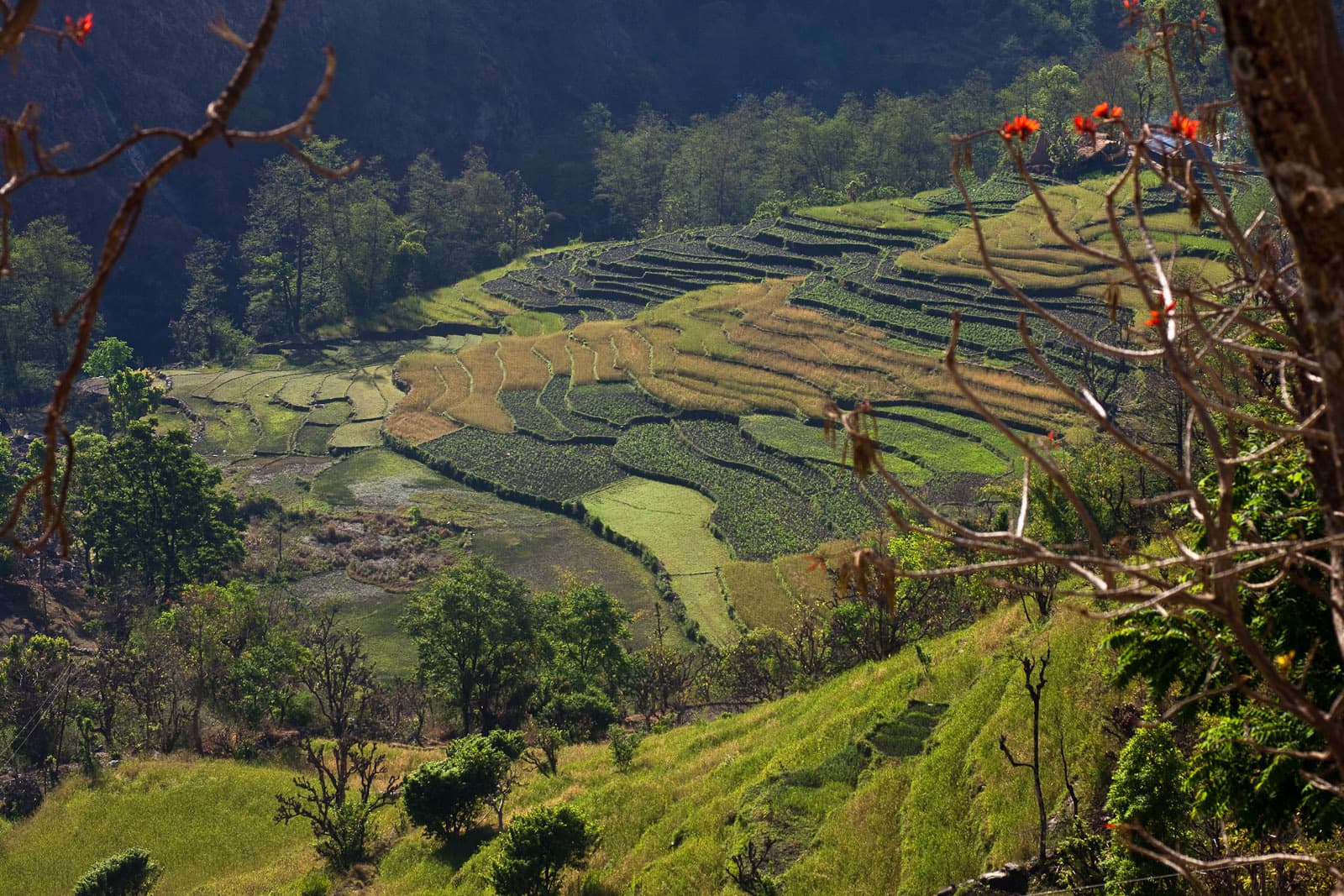
Kodo millet has been grown on these terraced Himalayan slopes for thousands of years. It’s hardy, small, and well suited to altitude — and it’s the only grain in the bottle.
a spirit from the Himalayan valleys
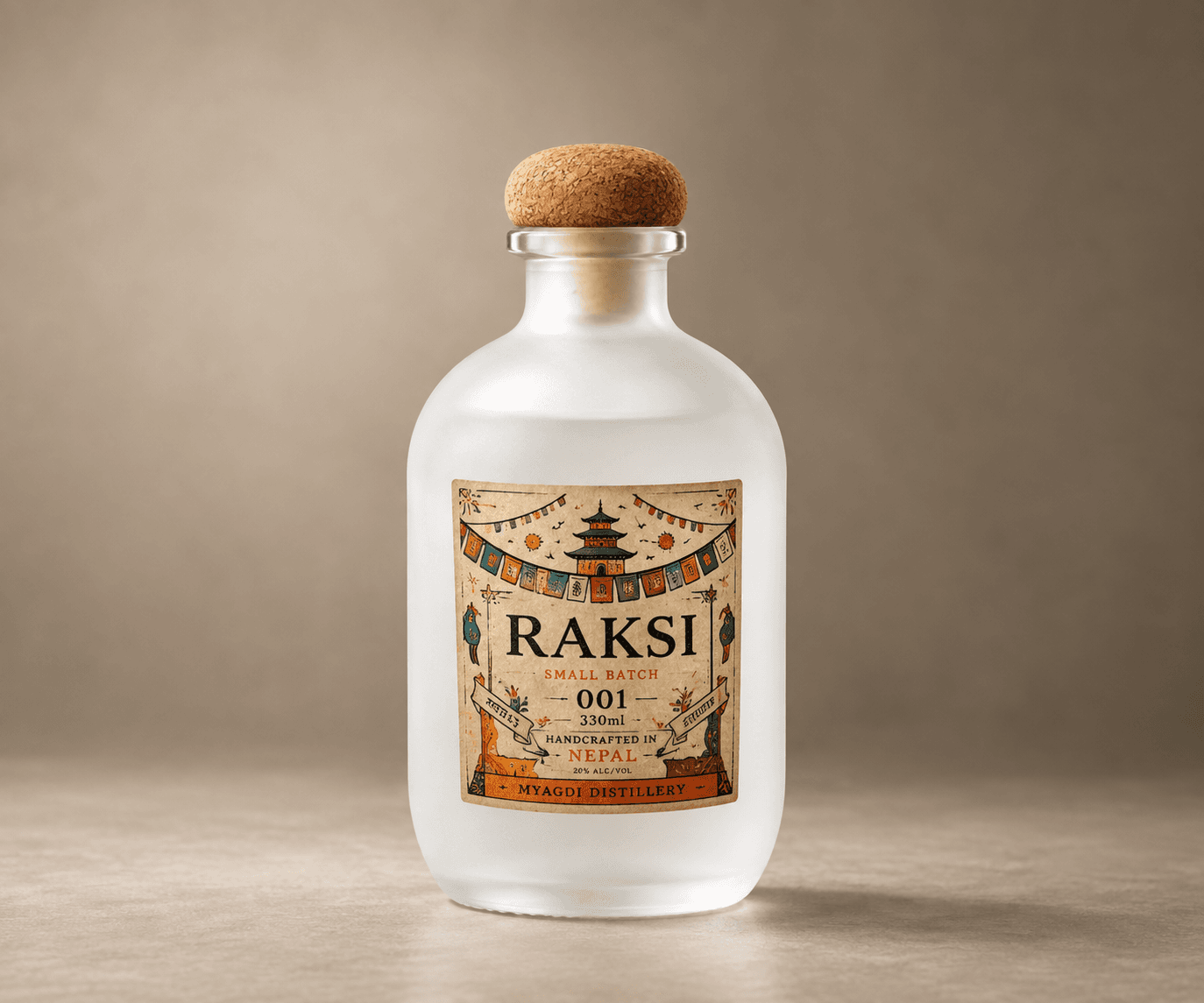
Raksi has been made in the hills of Nepal for generations — wild-fermented from kodo millet and distilled in copper over a wood fire. This is that spirit, made the same way, in Myagdi, at 2,600 metres.
Raksi is Nepal’s home spirit — poured at festivals, offered to guests, shared after work. Ours is made in Myagdi, the traditional way. We bottle it in small batches and send it further than it usually goes.
The grain, the starter, and the still. None of it is complicated. All of it is local.

Kodo millet has been grown on these terraced Himalayan slopes for thousands of years. It’s hardy, small, and well suited to altitude — and it’s the only grain in the bottle.

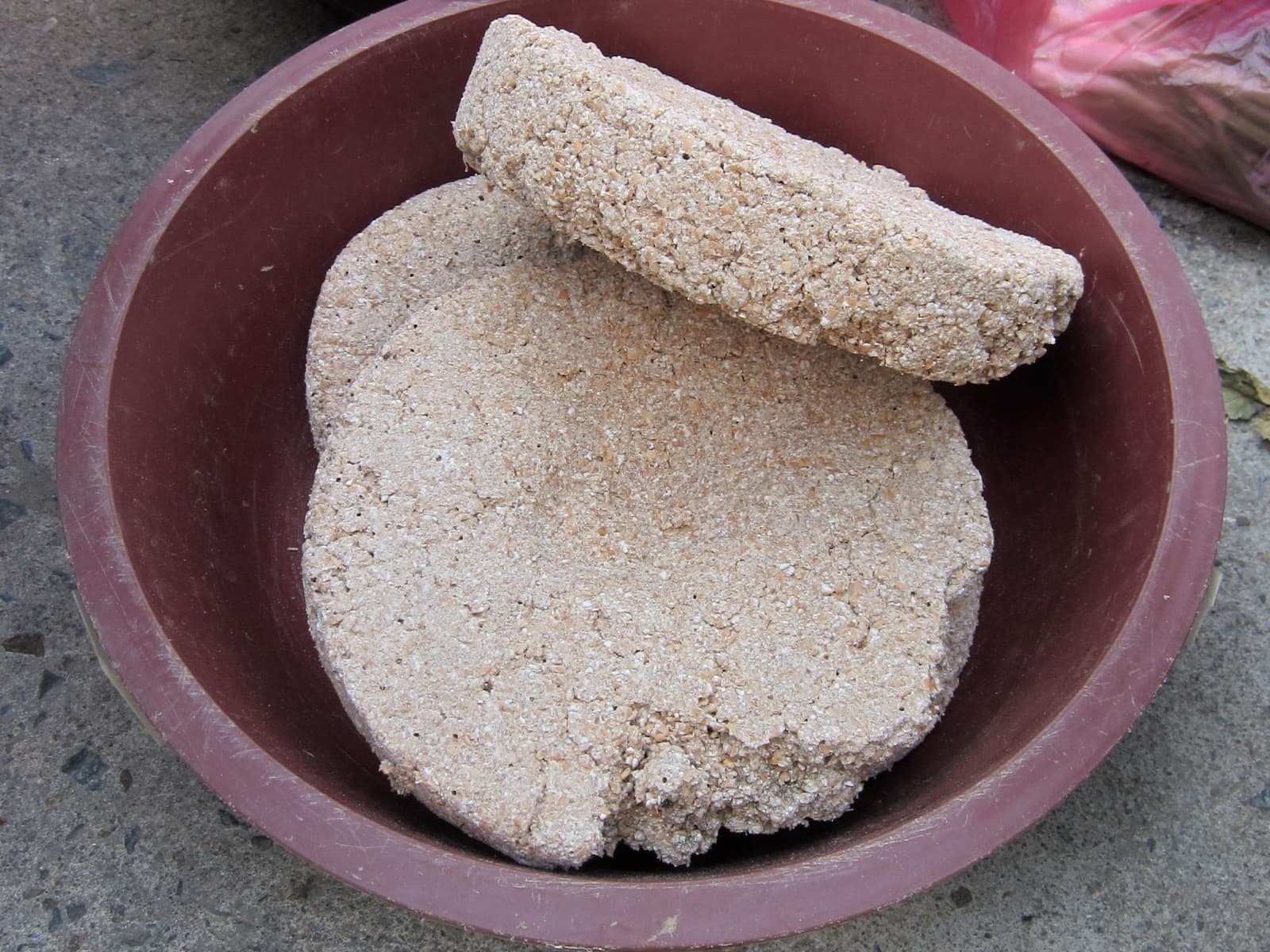
Fermentation begins with marcha — a traditional starter cake made from wild yeasts and local plants, passed down from generation to generation. It’s the same idea behind natural wine and village mezcal: let the place do the work.

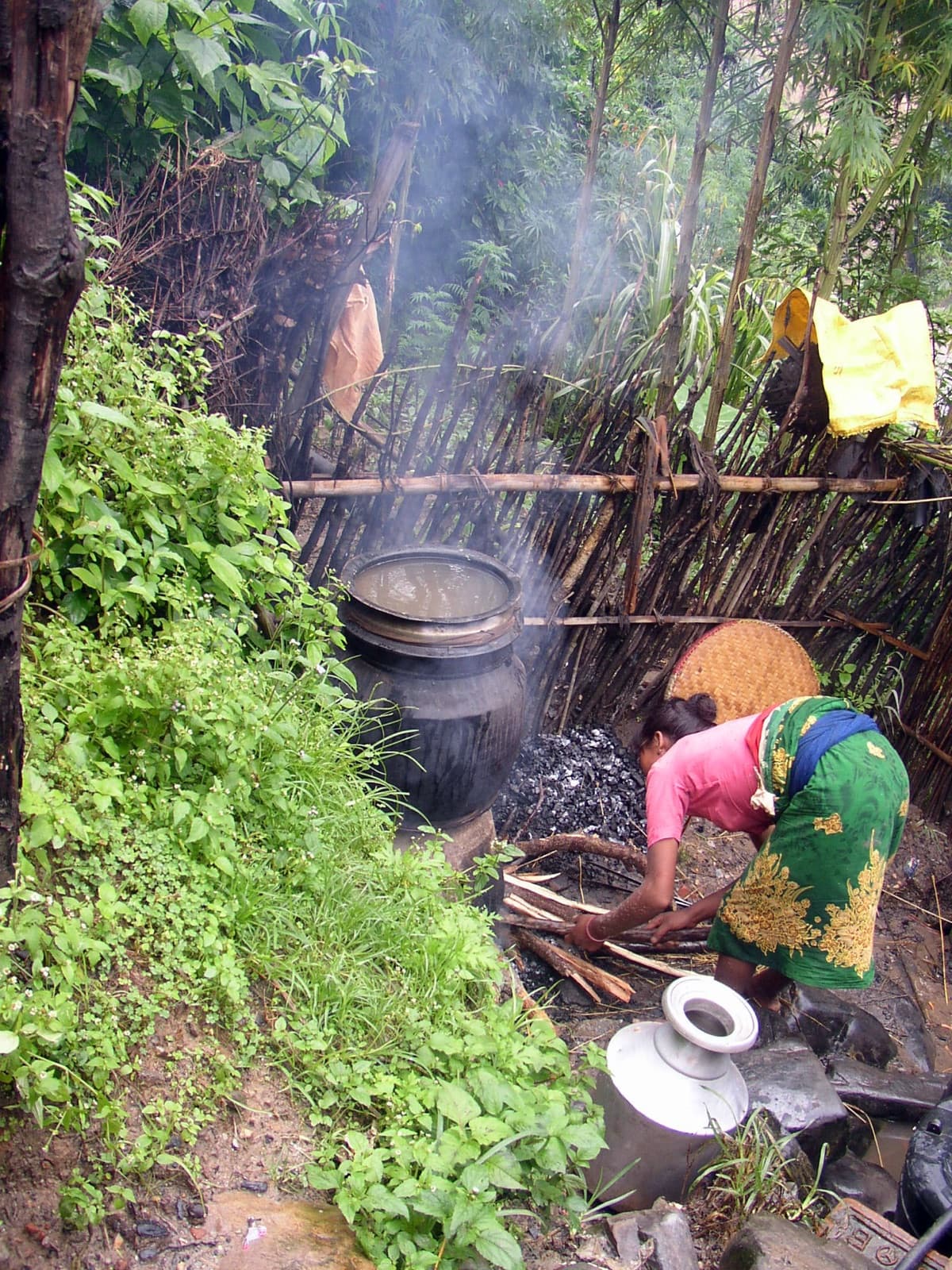
The fermented mash is distilled in a copper pot heated over a wood fire, the way it’s done in the village. It’s slow work and the batches are small, which is how the spirit stays clean and bright.

Raksi has always been a sipping spirit. Nothing is added to it — only the temperature changes.
The default. Grain and a little smoke up front, dry finish. How it’s served in the village.
Traditional in the cold months. Heat brings the aromatics forward. Serve in a small cup.
Softer and quieter from the fridge, or over a single cube — it opens up a little more as the ice melts.

Clear and bright. Warm grain and a light smokiness up front, then a clean, dry finish. Distilled once in copper over wood fire from wild-fermented kodo millet.